
Affiliated Faculty
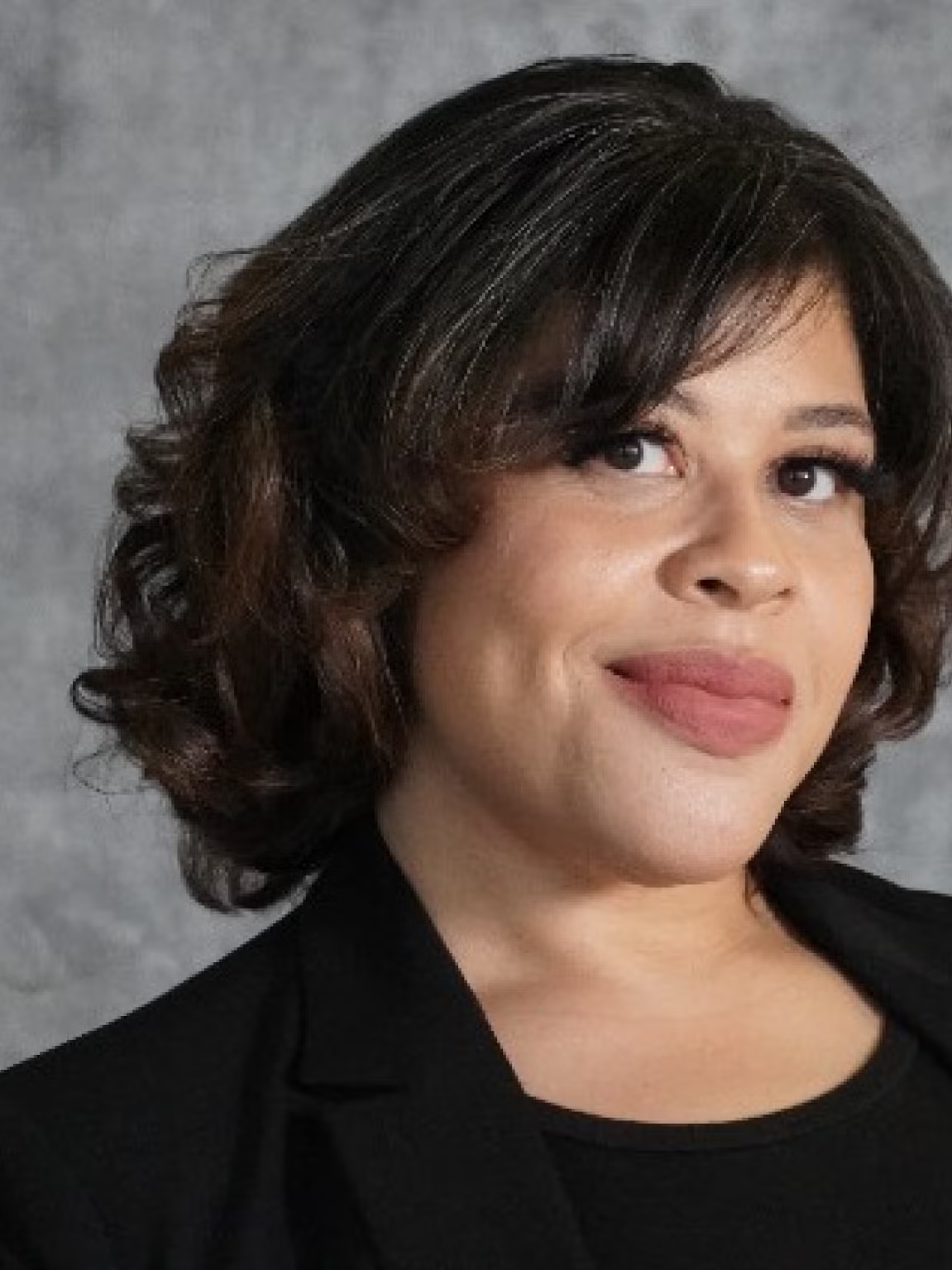
Kaleena Rogers, MSW, LCSW, is Associate Director of Practicum Education in the Department of Social Work at Rutgers University–Newark. A Doctor of Social Work candidate, Rogers brings over a decade of experience at the intersection of clinical practice, higher education, and community-based leadership. She coordinates undergraduate field placements, supports practicum agency partnerships, mentors social work students, and leads instructor development efforts.
Rogers is widely recognized for fostering equity in practicum education, designing culturally responsive learning environments, and advancing professional identity development among underrepresented students. She also provides psychotherapy to adolescents and adults in clinical settings, applying a strengths-based, culturally informed lens to her work. Beyond her institutional role, she is the Founder and Executive Chair of the Rutgers University–Newark Department of Social Work Alumni Group (RUN DSWAG), a growing network that supports mentorship, alumni engagement, and intergenerational leadership.
Dr. Jason Daniel Patrick Bird is a leading expert in HIV prevention and health disparities. He holds a Ph.D. from the University of Chicago School of Social Service Administration, where his research focused on sexual communication and HIV prevention among African American men who have sex with men. From 2011 to 2014, Dr. Bird was involved in the Center for AIDS Prevention Studies (CAPS) Training Program at NIMH, where he worked on HIV prevention strategies for racial and sexual minority populations. His work covers areas such as stigma, sexual communication, and community-based interventions. With a Master of Social Work (MSW) from the University of Washington, Dr. Bird has experience as an Administrative Director of Research and has managed various research projects. His background also includes HIV testing and counseling and case management for formerly incarcerated individuals. His career reflects a strong commitment to improving health outcomes for underserved communities.
Dr. Michael Conteh holds a Ph.D. in Global Affairs from Rutgers University’s Graduate School in Newark. His research focuses on the critical role of higher education institutions as anchors in their host cities and these institutions’ community engagement strategies, emphasizing their inherent value in local development and urban revitalization. Prior to his doctoral studies, Dr. Conteh worked for the Namibia Institute of Public Administration and Management (NIPAM), a leading management development institute, in Windhoek, Namibia. As Director of Research and Consultancy, he spearheaded initiatives in public sector management, capacity building, gender-based violence, and human trafficking, demonstrating his multifaceted and interdisciplinary expertise. His research interests are impressively broad, focusing on restorative justice practices and reparative frameworks, higher education institutions and their host cities. His comparative analysis of universities as anchor institutions in their respective cities demonstrates his dedication to global academic progress and community engagement strategies.
Marcela Restrepo is a Colombian born but based in Ecuador for more than 25 years. Marcela Restrepo embodies a deep love for nature, culture, and community. With a B.A. from the University of Canterbury in New Zealand and a Rudolf Steiner diploma, she combines academic knowledge with holistic education principles. Residing at Nahual, Palugo Farm in Ecuador, Marcela promotes sustainable practices and eco-friendly lifestyles. She serves as the co-leader for the Rutgers Newark Summer New Hampshire local study away program and has previously worked with an experimental theatre company in New Zealand. Additionally, she has contributed to ecological reserves and communities in Ecuador focused on restoration and alternative agriculture. We collaborated with Marcela on our sustainable development and ecological expedition, where her insights and expertise greatly enriched the experience, making her a valuable partner in our initiatives.
Dr. Gary D. Farney is an Associate Professor of History at Rutgers-Newark. He has operated an archaeological field school in Italy since 2012, through the Rutgers Study Abroad Office (http://fieldschool.rutgers.edu), and before that he operated a Rutgers summer program to Greece from 2005 to 2010. He is a Fellow of the American Academy in Rome, and has held other fellowships at the American School for Classical Studies in Athens and at the Research Center for Anatolian Civilizations in Istanbul. His research and publication have focused on the political culture of the Roman Republic, especially how group identity played a role in shaping Roman politics and society. His first book was entitled Ethnic Identity and Political Competition in the Roman Republic, and he has since published on ancient Italian ethnic groups, Roman villas, and Roman numismatics. He is also the Editor-in-Chief for the Journal of Ancient History.
Steven Ndosi holds a Master of Arts (Development Studies) Uganda Martyrs University, Nkozi Campus Uganda (2011) and a Bachelor of Arts (Development Studies) Kimmage Manor Development Studies Center (2005). Mr. Ndosi has held several positions including: Secondary school teacher (Ekenywa and Bondeni secondary schools in Arusha), Kiswahili and English Language trainer for foreigners, Translator (Kiswahili-English and English – Kiswahili), Coordinator/trainer – Africa Orientation Course (for Danish Development Workers) Trainer, Child Rights Advocacy, Child Rights Governance, Coordinator Tanzania Orientation Course (for American Universities and Danish High schools and Universities) Trainer and Coordinator, Global Citizens Course, Trainer Tanzania in Context (for University of Minnesota).
Dr. Ian Watson is Professor of Theatre and Chair of the Department of Arts, Culture and Media at Rutgers University-Newark (RU-N). He has worked in theatre, television and film. He trained as a theatre director at the National Institute of Dramatic Art (NIDA) in Sydney, Australia. He is the founder and currently director of the Urban Civic Initiative at RU-N, which combines arts practice with educational strategies as tools of community engagement. He is the author of Towards a Third Theatre: Eugenio Barba and the Odin Teatret (Routledge, 1995, 1993) and Negotiating Cultures: Eugenio Barba and the Intercultural Debate (Manchester University Press, 2002). He edited Performer Training Across Cultures (Harwood/Routledge, 2001). He has contributed chapters to over a dozen books, including most recently, The Routledge Companion to Michael Chekhov (Routledge, forthcoming), Actor Training Reader (Routledge, 2015), European Theatre Performance Practice, 1900 to the Present (Ashgate, 2014), Performatyka: źrødła I perspektywy/Performance Studies: Sources and Perspectives (Kontekst, 2014) and Collective Creation in Modern Performance (Palgrave/ MacMillan, 2013). He has published numerous articles in professional journals such as: Theatre, Dance and Performer Training; New Theatre Quarterly; About Performance; and The Drama Review.

Nathan Lyczak has enjoyed a variety of roles at Kroka during the past 18 years, including Summer Director, Capital Campaign Coordinator, Cartographer, and Managing Director. Prior to coming to Kroka, he had served as a communications officer in the US Navy, taught English for a year in Nicaragua, and worked as a 4th grade classroom teacher in rural New Hampshire. He loves his work at Krokam which spans technical IT systems (fixing the internet), community development (dance band leader), morning chores (firewood stacking and pancake making), outreach (fundraising and newsletter design) and the teamwork of so many talented people of extraordinary character who make up our unique educational community.

Amani Charles Ayo is a passionate tourism expert from Arusha, Tanzania, with over a decade of experience in tour operations, hotel management, environmental conservation, and sales. As Director of Charles Tours Ltd and Program Coordinator for Global Engaged Experiential Learning in Tanzania, he is dedicated to creating unique, sustainable travel experiences. Ayo holds a Bachelor’s in Tourism Studies from the Open University of Tanzania and is fluent in English, Kiswahili, and entry-level French. His work aims to showcase Tanzania’s beauty while empowering local communities and promoting environmental conservation.
Alex Dika Seggerman is associate professor of Islamic art history. She specializes on the intersection of Islam and modernism in art history. Her first book, Modernism on the Nile: Art in Egypt between the Islamic and the Contemporary (UNC Press, 2019), traces the arc of Egyptian modernism in art, arguing that artists confronted and visualized the transnational context of their circulation through a “constellational modernism.” She made over a hundred images of modern Egyptian artwork available on JSTOR as well as published an open-access companion essay and image collection in MAVCOR. She delivered lectures about her book around the world, including at William & Mary, Boston College, NYU, and in Beirut.
Ezra Fradkin is an New England native, Ezra grew up in an intentional community in Amherst, Massachusetts. Highlights from his childhood include a semester abroad in the Basque country in northern Spain, making maple syrup, and building forts in the woods. Ezra attended Kroka’s Ecuador Semester as a high-school student and studied sustainable food systems at Sterling College in Craftsbury Common, VT. He completed an MA in Regenerative Economics at Schumacher College (UK) in 2021. Since 2016 Ezra has worn many hats at Kroka including expedition leader, summer program registrar, basecamp manager, Managing Director and now as the Executive Director.
Dr. Ashaki Rouff says, “My research explores the behavior of inorganic and organic contaminants in aqueous geochemical (soil, sediment) and engineered (wastewaters) settings. The mechanisms and kinetics of contaminant interactions with mineral phases determine the mobility and bioaccessibility of these species in affected systems. Understanding these processes has important implications for predicting the fate of contaminant species in the environment.
We use laboratory-based model systems, field work, and advanced molecular-scale techniques; as applied to the areas of contaminant geochemistry, urban geochemistry, and sustainable geochemistry. Current research topics include the assessment of heavy metal contamination of human-impacted soils, and the evaluation of alternative mineral fertilizers as related to the sustainable use of natural resources”.
Chris Knapp is a father, homesteader, environmental educator and founder of Maine Local Living School. He is passionate about sharing pathways into relationship with the human and more-than-human communities through bioregional living, science, history, permaculture, and subsistence arts. Chris is endlessly fascinated by the exploration of why the world is as it is and the human potential for creativity and positive change. Chris has designed and taught experiential programming for grade-schoolers to graduate students for over twenty years. He holds a M.S. in environmental studies from Antioch University New England, is a Wilderness First Responder and a Registered Maine Guide.
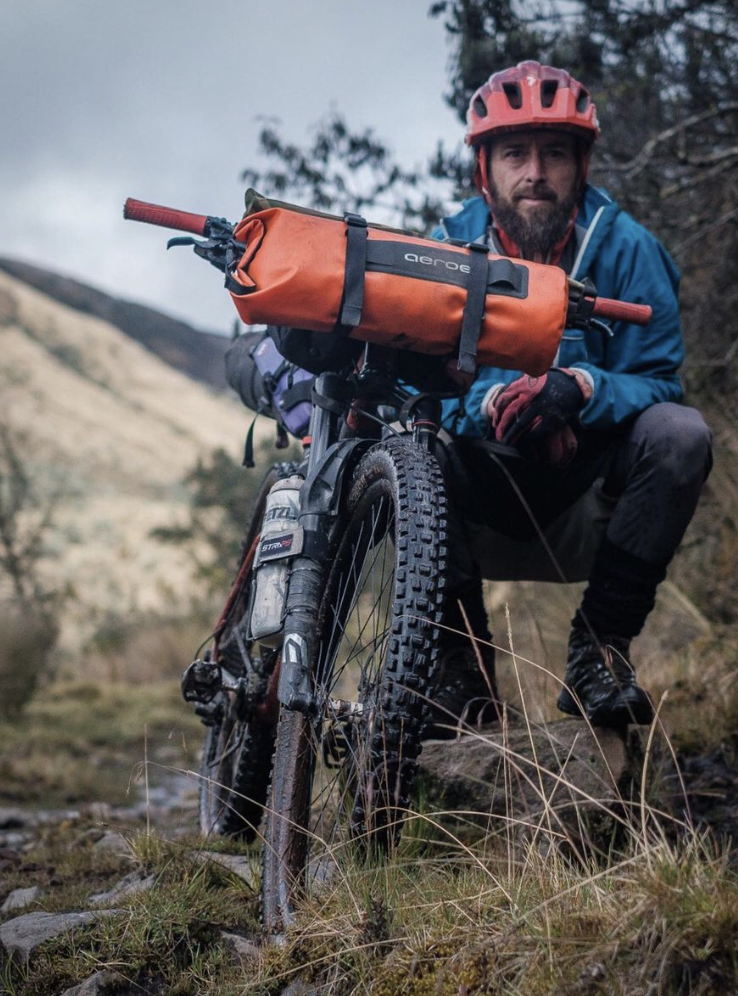
Michael Dammer, as the co-director of Nahual Expediciones, brings a wealth of experience and expertise to the realm of adventure sports and outdoor education. Born and raised amidst the stunning landscapes of the Andes Mountains in Ecuador, Michael’s lifelong connection to his surroundings has shaped his career and passions. With over 15 years of experience leading trips, Michael has honed his skills as a professional mountain guide and instructor of adventure sports, both in Ecuador and the USA. His extensive knowledge of the terrain and his commitment to safety ensure that participants have unforgettable and enriching experiences in the great outdoors.
Beyond his role as a guide and instructor, Michael’s passion for history and photography adds a unique dimension to his work. His deep understanding of the cultural and historical significance of the places he explores enriches the journey for those under his guidance. Additionally, Michael’s talent for capturing breathtaking moments through his photography allows others to vicariously experience the beauty and adventure of his expeditions. For those interested in delving further into Michael’s adventures and photography, his blog serves as a treasure trove of captivating stories and stunning visuals. Whether through his blog or in person on one of Nahual Expediciones’ trips, Michael invites others to join him in discovering the wonders of the natural world and the thrill of outdoor adventure.
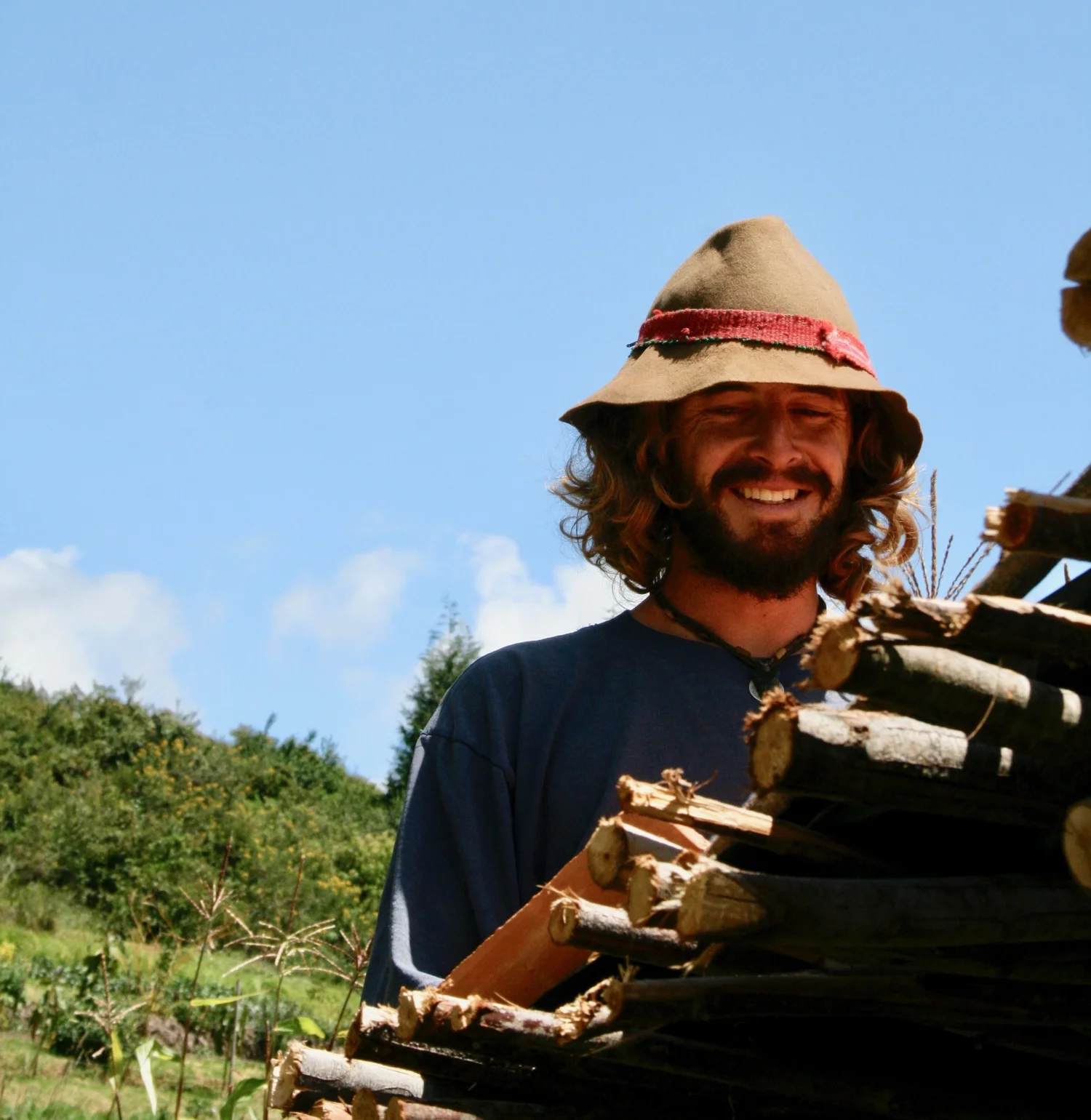
Thomas Dammer’s upbringing on a dairy farm in the Andes outside of Quito, Ecuador, instilled in him a deep connection to the land and a profound understanding of agricultural practices. His academic journey culminated in a degree in Agricultural Engineering from San Francisco University in Quito, equipping him with the knowledge and skills to make meaningful contributions to sustainable farming practices. Beyond his academic achievements, Thomas possesses a natural gift for teaching and mentorship. With over a decade of experience working with teenagers, he has honed his ability to connect with students and adults alike, fostering an environment of compassion, enthusiasm, and kindness.
Thomas’s passion for outdoor education is evident in his work with organizations like Kroka and Outward Bound, where he has led transformative programs in both Ecuador and the U.S. Through these experiences, he has empowered countless individuals to embrace the outdoors, develop leadership skills, and foster a deeper connection with nature. Today, Thomas resides in Ecuador with his family, living in a handmade house that reflects his commitment to sustainable living and craftsmanship. Alongside his wife and children, he continues to embody his values of environmental stewardship and community engagement, inspiring others to live in harmony with the land and each other. Thomas’s presence within the educational community and his dedication to fostering personal growth and connection exemplify his role as a leader and mentor. His impact extends far beyond the classroom, leaving a lasting impression on all those fortunate enough to cross paths with him.
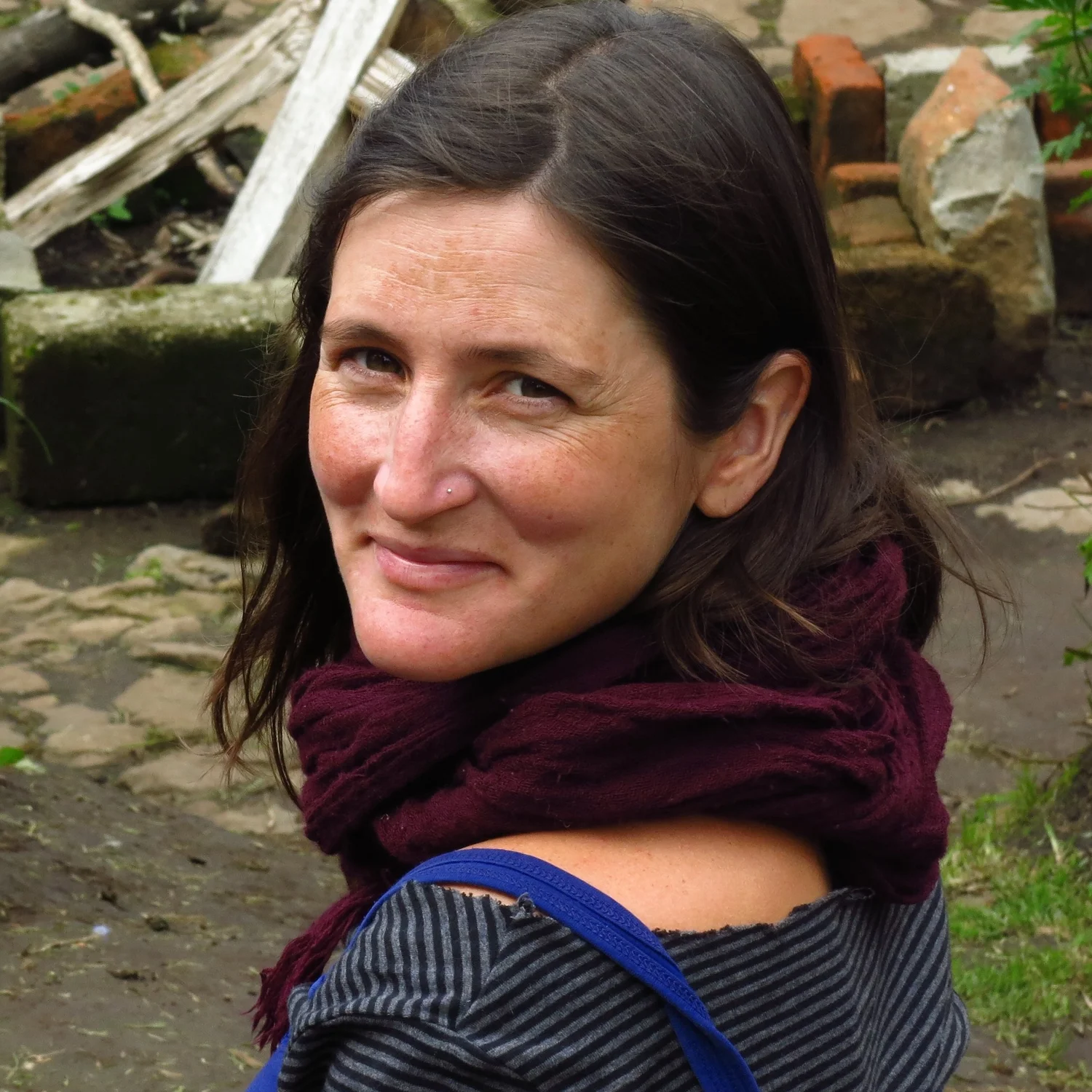
Marcea Macinnis’s journey to GOGI Abroad is marked by a deep passion for teaching, mentoring, and exploration. Hailing from Saxtons River, Vermont, Marcea’s upbringing instilled in her a love for nature and a curiosity about the world beyond her doorstep. Armed with a B.A. from Marlboro College, she embarked on a journey of discovery that would lead her to Ecuador, where she now resides with her family. With over a decade of experience as an instructor for Nahual Expediciones, Marcea has honed her skills in guiding and mentoring others in the great outdoors. Her intimate connection with the natural world informs her teaching style, infusing it with a sense of wonder and reverence for the environment. Marcea’s expertise extends beyond traditional outdoor education; she brings a rich and diverse knowledge of herbal remedies to her teaching. Drawing upon her understanding of flowers, roots, and leaves, she shares the healing properties of nature with her students, fostering a deeper appreciation for the interconnectedness of all living things.
In her role with GOGI Abroad, Marcea’s passion for teaching and her commitment to environmental stewardship will undoubtedly inspire and empower students to connect with the natural world in meaningful ways. Through her guidance, they will not only learn about the wonders of Ecuador’s landscapes but also gain a deeper understanding of their responsibility to protect and preserve our planet for future generations. Marcea’s presence on the GOGI Abroad team enriches the educational experience, offering students the opportunity to learn from a seasoned educator who is deeply rooted in her love for nature and her dedication to sharing its beauty with others.
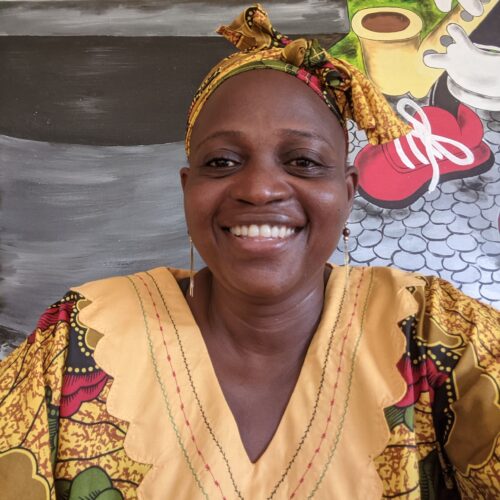
Uwahnie Martinez is a Belizean entrepreneur, cultural advocate, and eco-tourism owner from Hopkins, Belize, best known as the owner of the Palmento Grove Garifuna Eco-Cultural & Healing Institute. She works to preserve and uplift the Garifuna culture and heritage. She is dedicated to promoting and protecting Garifuna history, healing traditions, and community resilience.
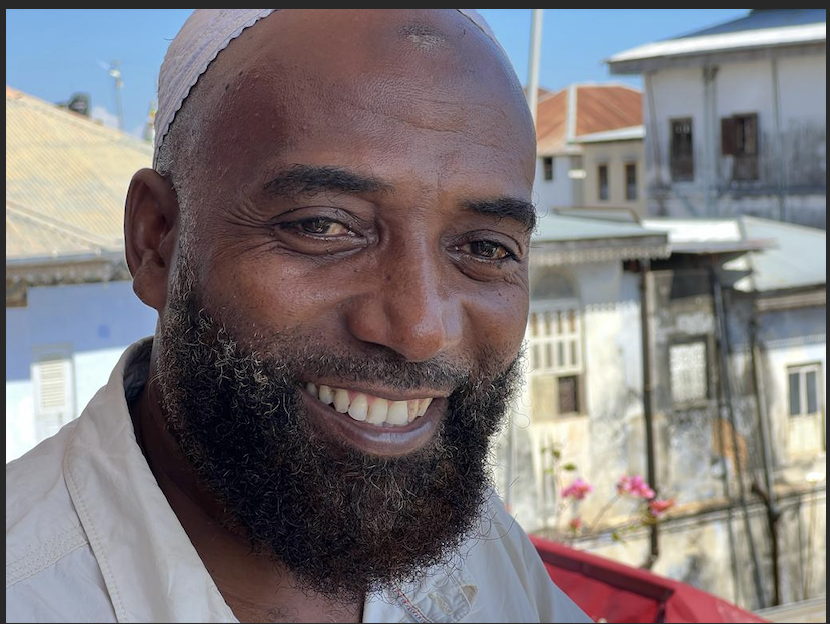
Dr. Saidi says, “I inherited this business from my grandfather. And my grandfather got it from his father, who came from Oman to Zanzibar in 1885, I think. He was a doctor on a boat and first arrived on the island of Unguja (= Zanzibar Island). From there he moved to Pemba Island, Zanzibar, where he settled and became a herbalist. My knowledge is old knowledge – passed on over generations.
I hardly remember my grandfather, I was too young when he died. But it was the first time I got in contact with herbal medicines. He was working in and around his compound, I watched his personal effort to grow plants and I read the books he left. They were all written in Arabic”.